Spring Allergy Survival Guide for Asian Families + New Pediatric Clinics in Our Directory
Dear Asian Health Hub community,
Spring has arrived, and with it comes blooming flowers, warmer weather—and for many of us, the familiar sneezing, itchy eyes, and runny noses that signal allergy season. As a Senior Medical & Health Editor, I know that navigating spring allergies can be especially confusing for families, particularly when symptoms overlap with common colds. This month, we’re focusing on helping you and your loved ones breathe easier, with practical tips tailored to multi-generational households and language-accessible care. We’re also thrilled to introduce five newly verified pediatric clinics in our directory, all offering care in English, Chinese, Korean, or Vietnamese. Let’s make this spring a healthy one for everyone.
5 Crucial Health Tips for Managing Spring Allergies in Asian Families
1. Know the difference between seasonal allergies and the common cold. Allergies often cause persistent sneezing, itchy eyes, and clear nasal discharge that lasts for weeks, while colds typically include fever, body aches, and yellow or green mucus that resolves in 7–10 days. If your child’s symptoms linger beyond two weeks without fever, allergies are likely the culprit. Tracking symptoms on a calendar can help you and your pediatrician identify patterns.
2. Reduce indoor allergens with simple home adjustments. In many Asian households, open windows and drying laundry indoors are common practices. During high pollen days (usually mornings and windy afternoons), keep windows closed and use air purifiers with HEPA filters in bedrooms. Wipe down surfaces with a damp cloth instead of dry dusting to trap pollen, and change clothes after coming indoors to avoid tracking allergens through the house.
3. Use traditional remedies safely alongside modern treatments. Many families turn to herbal teas, ginger, or honey for symptom relief. While these can be soothing, remember that honey should not be given to children under 1 year old due to botulism risk. Over-the-counter antihistamines (like cetirizine or loratadine) are generally safe for children over 2, but always consult your pediatrician first—especially if your child has asthma or other conditions.
4. Protect children during outdoor play and school activities. Encourage kids to wear sunglasses and a hat to shield eyes and hair from pollen. After outdoor play, have them wash their face and hands, and change into clean clothes. If your child uses a nasal saline rinse, ensure the device is cleaned thoroughly after each use to prevent infection. For school-age children, talk to teachers about keeping classroom windows closed on high-pollen days.
5. Plan ahead for multi-generational gatherings. Spring festivals, family picnics, and temple visits are common in our communities. If you or a family member has severe allergies, check the local pollen forecast before planning outdoor events. Bring a small “allergy kit” with antihistamines, tissues, and a mask for sensitive individuals. For elderly relatives, be mindful that allergy symptoms can worsen underlying respiratory conditions like COPD or asthma.
Spotlight: Newly Verified Clinics Added This Month
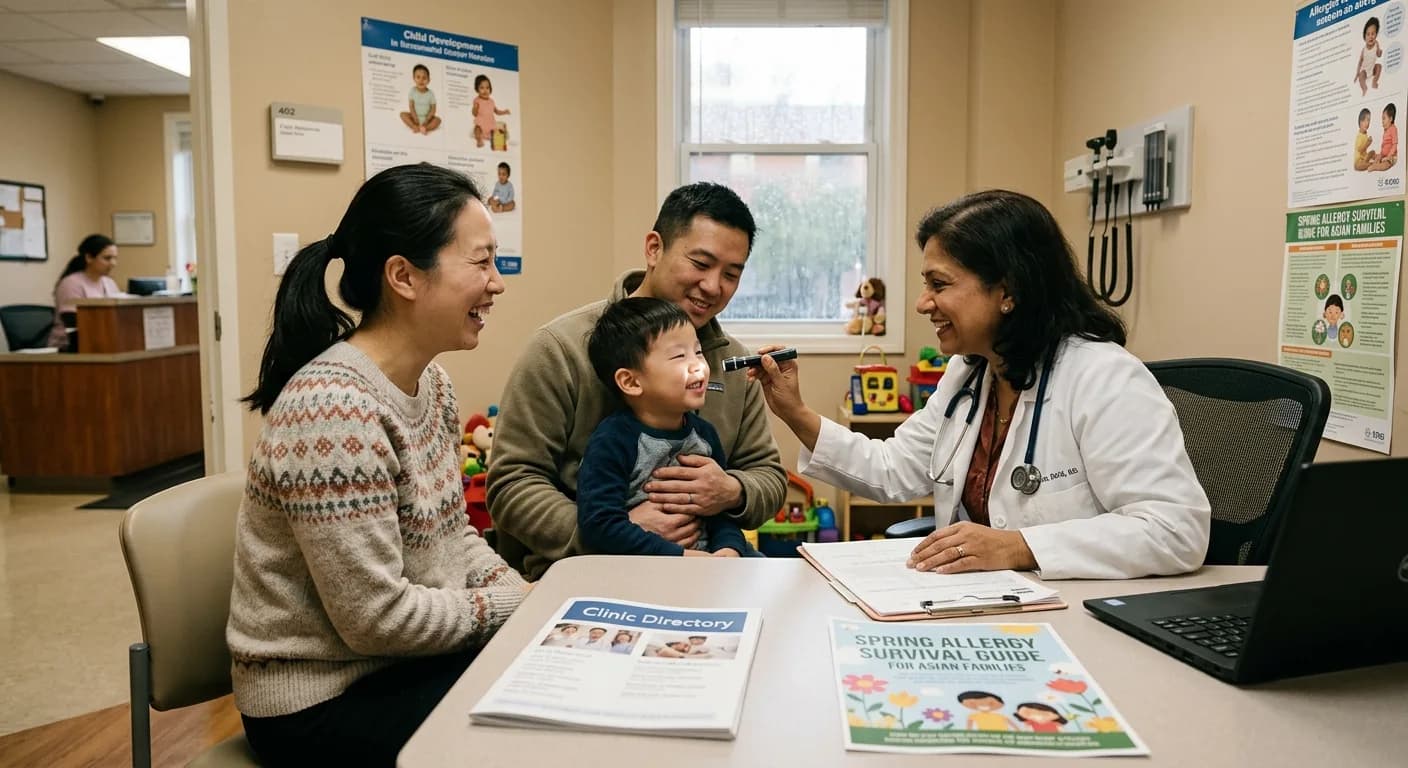
We’re proud to announce the addition of five pediatric clinics to our directory, all verified for language accessibility and quality care. These clinics serve families in California and beyond, with staff who speak English, Chinese, Korean, and Vietnamese.
| Clinic Name | Specialty | Location | Language Support |
|---|---|---|---|
| Children's Health Center (4D) | Pediatrics | Not specified | English, Chinese |
| Providence Pediatrics - Redondo Beach | Pediatrics | Redondo Beach, CA | English, Korean |
| Fountain Valley Pediatrics | Pediatrics | Not specified | English, Vietnamese |
| PM Pediatric Urgent Care | Pediatrics | Tustin, CA | English, Vietnamese |
| Pediatric & Adult Medicine | Pediatrics | Tustin, CA | English, Vietnamese |
These clinics are now searchable on our platform. Whether you need a routine check-up, allergy evaluation, or urgent care for your child, you can find a provider who understands your language and cultural needs.
Tips for Navigating Healthcare without Language Barriers
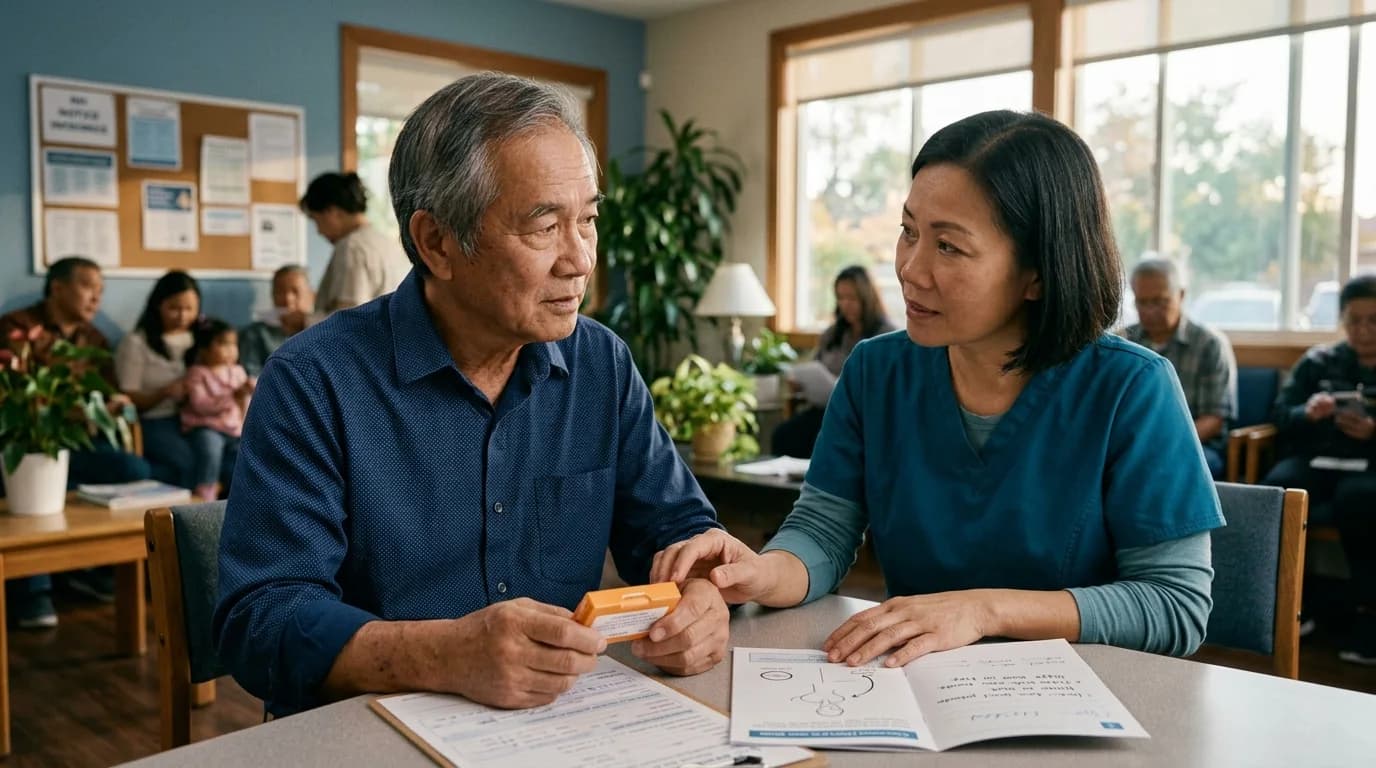
1. Check insurance and language services before booking. When calling a clinic, ask directly: “Do you have staff who speak [your language]?” or “Is a medical interpreter available for my appointment?” Many clinics offer free interpreter services by phone or video, but it’s best to confirm ahead of time. Also, verify that the clinic accepts your insurance plan to avoid surprise bills.
2. Prepare a bilingual care note for your visit. Write down your child’s symptoms, medications, and questions in both English and your home language. This helps you communicate clearly with the provider and ensures nothing is lost in translation. You can use a simple template: “My child has had [symptom] for [duration]. We have tried [treatment]. Our main concern is [question].”
3. Request a written summary after the visit. Ask the doctor or nurse to provide discharge instructions, medication names, and follow-up steps in writing—preferably in English and your preferred language. Many clinics now offer translated handouts or can print instructions in multiple languages. Keep this summary for your records and share it with other family caregivers.
Medical Disclaimer
The information in this newsletter is for educational purposes only and is not a substitute for professional medical advice, diagnosis, or treatment. Always seek the advice of your physician or other qualified health provider with any questions you may have regarding a medical condition. Never disregard professional medical advice or delay in seeking it because of something you have read here.
✉️ AHH Pulse Newsletter
Health tips & clinic spotlights for Asian Americans.