
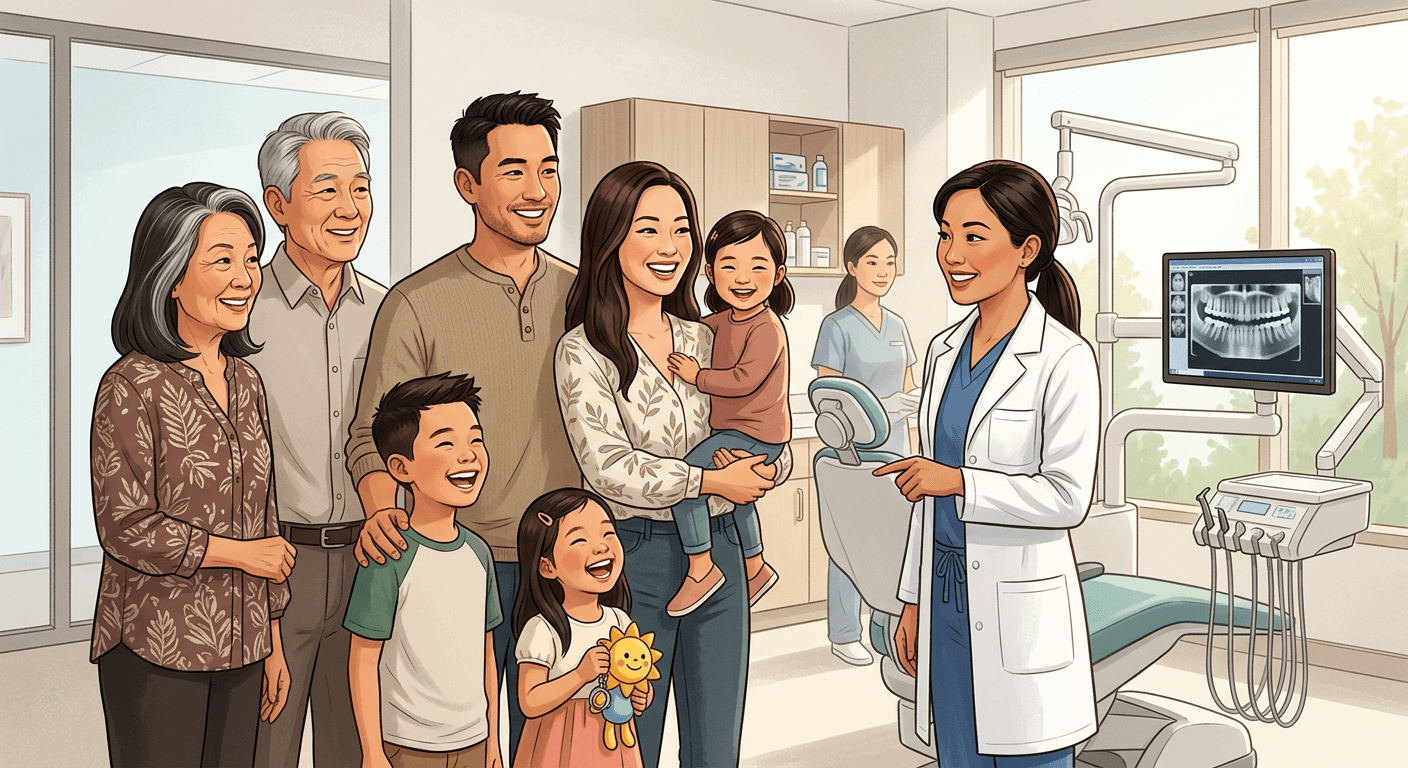
A comprehensive guide to navigating dental care for Vietnamese and Korean American families, covering insurance options, culturally sensitive practices, and preventive care strategies.
Key Takeaways
- A comprehensive guide to navigating dental care for Vietnamese and Korean American families, covering insurance options, culturally sensitive practices, and preventive care strategies.
- For Vietnamese and Korean American families, accessing quality dental care in the U.S.
- involves navigating insurance complexities, language barriers, and cultural considerations.
- This expanded guide provides detailed solutions to help families make informed decisions about their oral health, with additional practical advice, cultural insights, and actionable steps.
For Vietnamese and Korean American families, accessing quality dental care in the U.S. involves navigating insurance complexities, language barriers, and cultural considerations. This expanded guide provides detailed solutions to help families make informed decisions about their oral health, with additional practical advice, cultural insights, and actionable steps.
Understanding Dental Insurance for Families
Dental insurance plays a vital role in making care affordable, yet many families find the system confusing. Vietnamese and Korean American families often face unique challenges when selecting plans, including language barriers and cultural preferences for certain types of care. Here's what families should know about coverage options:
Key Insurance Plan Types
| Plan | Best For | Considerations |
|---|---|---|
| DHMO | Budget-conscious families | Limited dentist selection |
| PPO | Those wanting provider flexibility | Higher costs for out-of-network care |
| Indemnity | Maximum choice of providers | Typically most expensive option |
Smart Insurance Selection Strategies
- Evaluate family needs comprehensively - Consider children's orthodontic needs, seniors' denture coverage, and any ongoing treatments for family members
- Verify language services thoroughly - Check if providers offer Vietnamese/Korean interpretation or have bilingual staff available
- Compare total costs carefully - Look beyond premiums to deductibles, copays, and annual maximums that might affect your budget
- Prioritize preventive care coverage - Choose plans covering 100% of cleanings and exams, as these visits can prevent more serious issues
- Explore all available options - Check employer benefits, Medicaid, CHIP programs, and state-specific dental assistance programs
- Understand waiting periods - Some plans impose waiting periods for major procedures, which could affect treatment timelines
- Review network restrictions - Ensure preferred dentists are in-network to avoid unexpected costs
"Selecting dental insurance isn't just about cost—it's about finding coverage that aligns with your family's cultural, linguistic, and health needs while providing access to quality providers."
Culturally Competent Dental Care
Cultural understanding significantly impacts patient comfort and treatment outcomes. Vietnamese and Korean American families may have specific health beliefs, dietary habits, and treatment preferences that affect dental care. Here's how to find care that respects these traditions:
Overcoming Language Barriers
Language barriers can create significant obstacles to proper dental care. Consider these strategies:
- Seek practices with Vietnamese/Korean-speaking staff or dentists
- Ask about professional interpretation services (many clinics offer this at no cost)
- Request translated educational materials about procedures and oral hygiene
- Confirm bilingual support for billing and insurance questions
- Prepare questions in writing before appointments to ensure all concerns are addressed
Respecting Cultural Health Beliefs
Many Vietnamese and Korean families incorporate traditional practices into oral health care. Open communication with providers about:
- Herbal remedies used for dental issues (such as ginseng or herbal mouth rinses)
- Concerns about specific procedures (like anesthesia use or tooth extraction)
- Preferences for conservative treatment approaches when possible
- Dietary habits affecting oral health (including traditional foods and beverages)
- Cultural attitudes toward cosmetic dentistry and orthodontics
Building Trust with Providers
Establishing trust with dental professionals is crucial for effective care. Families should:
- Share complete health histories, including traditional remedies used
- Discuss any past negative dental experiences that might cause anxiety
- Ask about the dentist's experience working with Vietnamese/Korean patients
- Request explanations of procedures in culturally sensitive terms
- Seek second opinions for major treatments when desired
Preventive Care Across Generations
Regular dental care prevents serious problems while saving money. Tailored advice for different life stages:
Children's Dental Health
Early dental care sets the foundation for lifelong oral health. Key considerations:
- Schedule first dental visit by first birthday or when first tooth appears
- Establish proper brushing routines using age-appropriate techniques
- Discuss fluoride needs based on local water supply and risk factors
- Monitor thumb-sucking/pacifier use and its impact on tooth alignment
- Take advantage of Medicaid/CHIP pediatric dental benefits if eligible
- Introduce dental visits as positive experiences to reduce future anxiety
- Consider cultural factors in explaining dental care to children
Adult Oral Wellness
Maintaining oral health as adults requires consistent care:
- Maintain twice-yearly cleanings to prevent tartar buildup
- Address gum disease promptly to avoid tooth loss
- Consider cultural factors in cosmetic dentistry decisions
- Discuss tobacco/alcohol use risks, which may be higher in some communities
- Manage stress-related habits like teeth grinding
- Stay current with oral cancer screenings
- Consider how traditional diets may affect oral health
Senior Dental Considerations
Aging brings unique dental challenges that require attention:
- Increased gum disease risk requiring more frequent cleanings
- Dry mouth management (common with many medications)
- Denture care and necessary adjustments over time
- Oral cancer screening importance (higher risk with age)
- Difficulty maintaining hygiene due to arthritis or other conditions
- Nutritional considerations for maintaining oral health
- Cultural preferences for tooth replacement options
Common Community Dental Concerns
Certain oral health issues appear more frequently in Vietnamese and Korean populations due to genetic, dietary, and cultural factors:
Dietary Influences on Oral Health
Traditional diets include many healthy foods, but some may impact dental health:
- Sticky rice treats increasing cavity risk due to prolonged sugar exposure
- Sweetened beverages like Vietnamese iced coffee contributing to decay
- Pickled foods affecting enamel due to acidity
- Frequent snacking patterns that extend acid attacks on teeth
- Traditional herbal medicines that may stain teeth
Genetic and Cultural Factors
Some oral health differences have genetic or cultural components:
- Higher prevalence of certain oral cancers in Asian populations
- Tooth alignment variations common in different ethnic groups
- Enamel strength differences that may affect cavity risk
- Cultural attitudes toward orthodontic treatment
- Traditional practices that may affect oral health
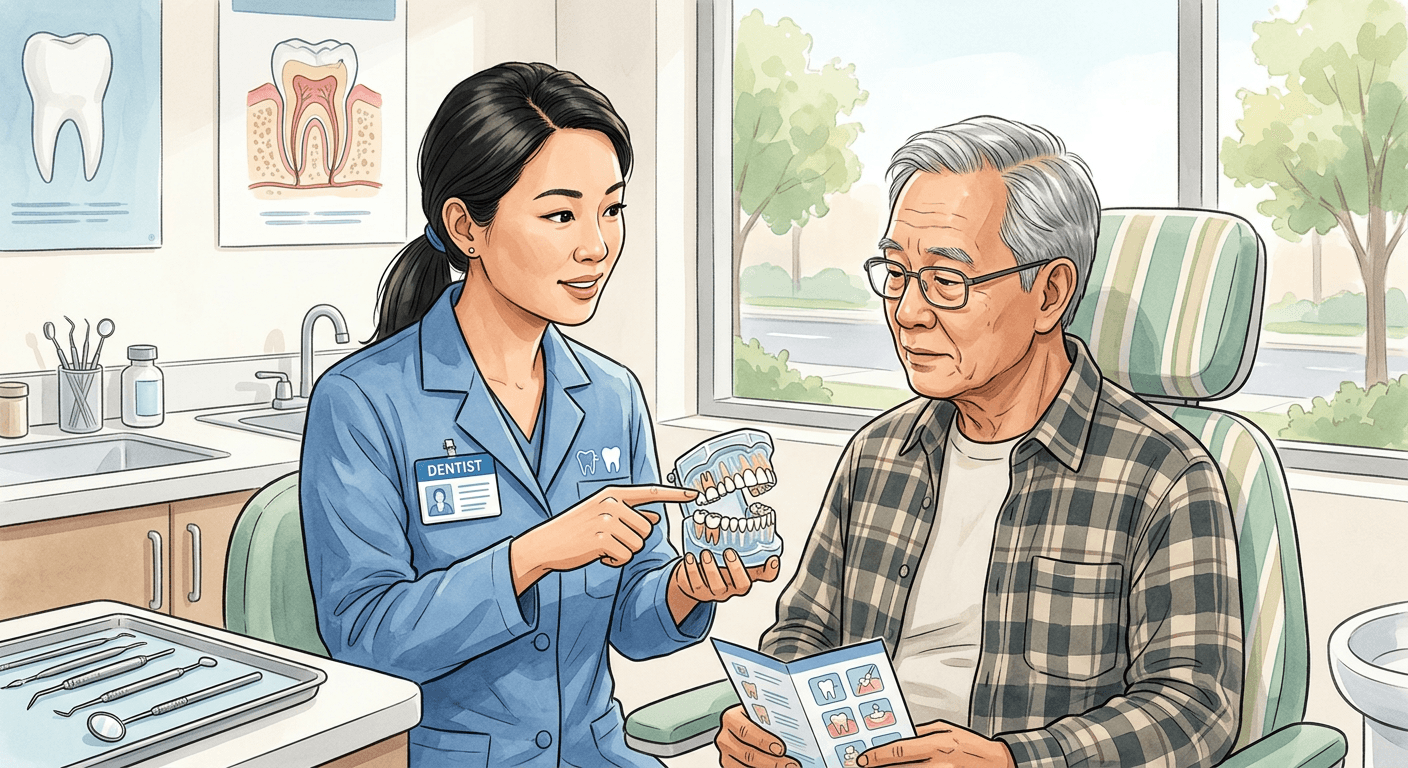
Action Steps for Better Dental Health
- Find the right provider - Use Asian American dental associations for referrals and check online reviews from community members
- Prepare thoroughly for visits - Write down questions, bring a translator if needed, and arrive early to complete paperwork
- Leverage community resources - Check local cultural organizations for clinics offering language support or sliding-scale fees
- Educate all family members - Teach proper techniques for each age group using culturally appropriate materials
- Plan for emergencies - Know your insurance's urgent care coverage and identify emergency dental providers in advance
- Maintain oral hygiene consistently - Establish family routines for brushing, flossing, and regular dental visits
- Advocate for your needs - Don't hesitate to ask questions or request accommodations to ensure comfortable care
Frequently Asked Questions
Where can I find low-cost dental care options for my family?
Community health centers, dental schools, and nonprofit clinics often provide sliding-scale fees. Many states have programs specifically for uninsured children. Local Vietnamese or Korean community organizations may also maintain lists of affordable providers.
How do traditional herbal remedies interact with dental treatments?
Always inform your dentist about any home treatments. Some herbal preparations may affect medications, interact with anesthesia, or influence healing after procedures. Your dentist can advise on safe integration with professional care.
What's the best way to prepare my children for their first dental visits?
Korean and Vietnamese children's books about dentists can help normalize the experience. Role-playing visits at home reduces anxiety. Some families find it helpful to visit the office beforehand to meet the staff. Choose a pediatric dentist experienced with diverse populations.
Are there special considerations for elderly family members from our cultural background?
Yes. Many seniors face unique challenges like medication-induced dry mouth or difficulty maintaining hygiene routines. Cultural preferences regarding tooth replacement options should be discussed. Some elderly patients may prefer more conservative treatment approaches aligned with traditional values.
How can I find a dentist who understands our cultural preferences about treatment?
Look for practices advertising multicultural services or ask community members for recommendations. Many larger dental groups now employ staff trained in cultural competency. Don't hesitate to interview potential dentists about their experience with Vietnamese/Korean patients.
Medical Disclaimer
This content provides general information only and shouldn't replace professional dental advice. Always consult licensed practitioners for personal health decisions. Individual needs may vary based on health status, insurance coverage, and other factors.